Debunking common myths about gambling What you need to know
Understanding the Odds
One of the most pervasive myths about gambling is that some games are “rigged” in favor of the house, leading players to believe they have no chance of winning. In reality, every game has mathematically defined odds that are based on chance. While it’s true that certain games may have a higher house edge, understanding these odds can help players make informed decisions and enjoy the experience responsibly. If you’re interested in exploring options, uk casinos not on gamstop provide an alternative for those looking to play without restrictions.

Players often misunderstand how probability works in games of chance. For instance, while slot machines and roulette may seem purely random, they are governed by complex algorithms and probabilities. Knowing how these odds work can help demystify gambling and reduce feelings of helplessness, allowing players to approach it with a more strategic mindset.
The “Gambler’s Fallacy”
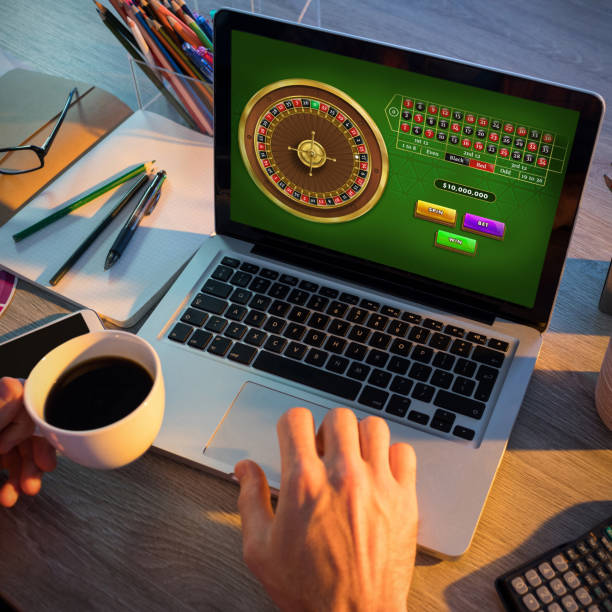
Another common misconception is the gambler’s fallacy, where individuals believe that past outcomes influence future results. For instance, if a roulette wheel lands on red several times in a row, some players might think black is “due” to win next. This belief is fundamentally flawed, as each spin or shuffle is independent, and the probabilities remain unchanged regardless of previous outcomes.
Understanding the gambler’s fallacy can help players avoid making irrational decisions based on emotional responses. Recognizing that each event is a separate occurrence allows for a more logical approach to gambling and helps manage expectations and losses more effectively.
Myths about Skill versus Luck
Many people think that gambling is entirely about luck, dismissing the role of skill in certain games. While games like slots are purely luck-based, others, such as poker or blackjack, require a significant degree of skill and strategy. Players who invest time in learning the nuances of these games can improve their chances of success over the long term.
Skill-based games allow players to make decisions that can influence the outcome. For example, understanding when to hit or stand in blackjack can significantly change the odds in favor of the player. This myth can discourage serious players from engaging in games where their knowledge and experience could yield better results.
Gambling as a Social Activity
A prevalent myth is that gambling is solely a solitary activity or an escape from social interactions. In reality, many people enjoy gambling as a social activity, whether in casinos, online, or during casual gatherings with friends. The social element can enhance the experience and make it more enjoyable, fostering connections and camaraderie among participants.
This communal aspect of gambling is often overlooked, but it can provide a valuable outlet for social engagement. Many casinos and online platforms offer features like live dealers and interactive games that encourage social interaction, making gambling a more inclusive and engaging experience.
Safe Gambling Practices
For those looking to explore gambling, it’s essential to prioritize safe practices. Understanding the myths surrounding gambling can empower individuals to make educated choices. Reliable resources are available to help players set limits, recognize problem gambling signs, and promote responsible gameplay.
Many platforms prioritize user safety and provide educational material on responsible gambling. Engaging with these resources helps foster a safer environment for everyone involved and encourages a more enjoyable experience. By dispelling common myths, players can better understand the dynamics of gambling and protect themselves while having fun.