
Strong cross-departmental collaboration ensures aligned objectives, efficient operations, and maximized value from the accounts payable process. Strategic analysis of accounts payable process metrics enables better working capital management. AP automation provides real-time visibility into payment obligations and timing, allowing organizations to optimize payment schedules. This KPI tracks mistakes in the accounts payable process, including duplicate payments and incorrect amounts. AP automation significantly reduces errors through automated validation and matching.
Integration with accounting software
Fostering effective cooperation between accounts payable and other departments enhances organizational efficiency. AP automation provides data for regular assessments and performance reviews. This ongoing monitoring enables timely adjustments to maintain strategic alignment and optimize operational effectiveness over time. Through the strategic implementation of AP automation, companies can transform their payables function into a value-driving operation. This comprehensive analysis helps organizations evaluate vendor relationships, negotiate better terms, and make informed decisions about supplier partnerships to optimize procurement strategies. AP automation accelerates approvals through automated routing and notifications.
Components of Invoice Processing Time
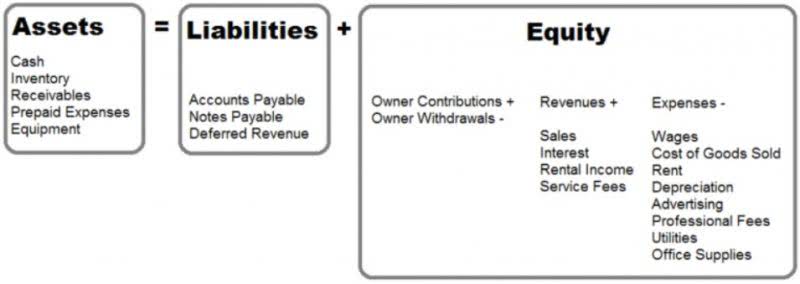
This is a critical role as accurate financial records are vital to the health of any business. Accounts payable (AP) is the money a business owes its suppliers for goods and services purchased on credit. It is a current liability in the balance sheet, representing the total of approved and unpaid invoices from the suppliers.
Matching purchase orders
Effective accounts payable management forms the backbone of a company’s financial health and vendor relationships. As businesses evolve, implementing robust accounts payable processes and automation solutions becomes increasingly critical for maintaining competitive advantage and operational efficiency. Despite the two terms being used interchangeably, trade payables and accounts payable do not what does accounts payable mean have the same meaning.
- This automated approach helps organizations stay compliant with tax regulations, industry standards, and internal policies.
- Accounts receivable is the sum total of all payments due to be received from buyers or customers.
- The next stage of the payables procedure is to enter the purchase day book details into the purchase ledger.
- When a company receives a bill or invoice, an accountant records it as an accounts payable transaction.
- Continuous process improvement involves identifying efficiency opportunities, implementing automation solutions, and adopting best practices.
- While the best way to ensure you’re paying on time is to meet the vendor’s payment requirements, this can’t happen without an effective accounts payable process.
A food processing facility operates 24/7 and receives a monthly $3,000 electricity bill due in 15 days. This amount is recorded in Accounts Payable right away, helping the finance team plan for upcoming payments and maintain cash flow visibility. A mid-sized manufacturer places a bulk order for steel from a supplier in Germany. The materials are delivered immediately, but payment terms allow for 60 days. Until that invoice is paid, Accounting Errors the $50,000 balance remains in Accounts Payable, giving the business flexibility to manage its working capital.


An integrated AP automation system captures, validates, and efficiently routes invoice data, ensuring accurate organization and recording of all payables. This system provides enhanced visibility and accountability throughout the entire AP workflow, enabling management to promptly identify and address any issues that may arise. They refer to the money owed to vendors for inventory, such as raw materials or supplies. In short, all trade payables are accounts payables but not all accounts payable are trade payables. AP staff first record new invoices in the general ledger as a credit and then as a debit to the expense account. This follows the matching principle of double-entry bookkeeping and accrual accounting, where professionals record revenues and expenses in the same period before paying the invoice.
- The department is also a key driver in supporting the organization as a whole when it comes to vendor payments, approvals, and reconciliations.
- CAs, experts and businesses can get GST ready with Clear GST software & certification course.
- For this reason, it is of even more importance to maintain healthy vendor relationships and effective vendor communication.
- A purchase order gives both you and the seller a clear understanding of what is being bought and the terms of the transaction.
- If you run a retail business, you might buy inventory from a supplier on a 60-day payment term.
- When a manufacturing company invests in raw materials, the items are bought on credit because they haven’t yet earned the cash needed to purchase production materials outright.
When Goods are Sold on Credit

These reimbursements are recorded in AP and are important for ensuring employee satisfaction and trust. If anyone ever sends you a physical invoice, scan it and make sure it’s with all of your other documents. The better you are at keeping all of your accounts payable documents in one place, the less likely you are to forget about one of them.
Recording Accounts Payable

Examples of accounts payable include expenses related to goods and services purchased https://www.bookstime.com/ by the business. Think equipment purchases, cleaning services, staff uniforms, software subscriptions, office supplies, and much more. Because accounts payable entries are not immediately paid, they are listed as a current liability on a business’ general ledger and balance sheet. Robert Johnson Pvt Ltd needs to determine its accounts payable turnover ratio for 2024.